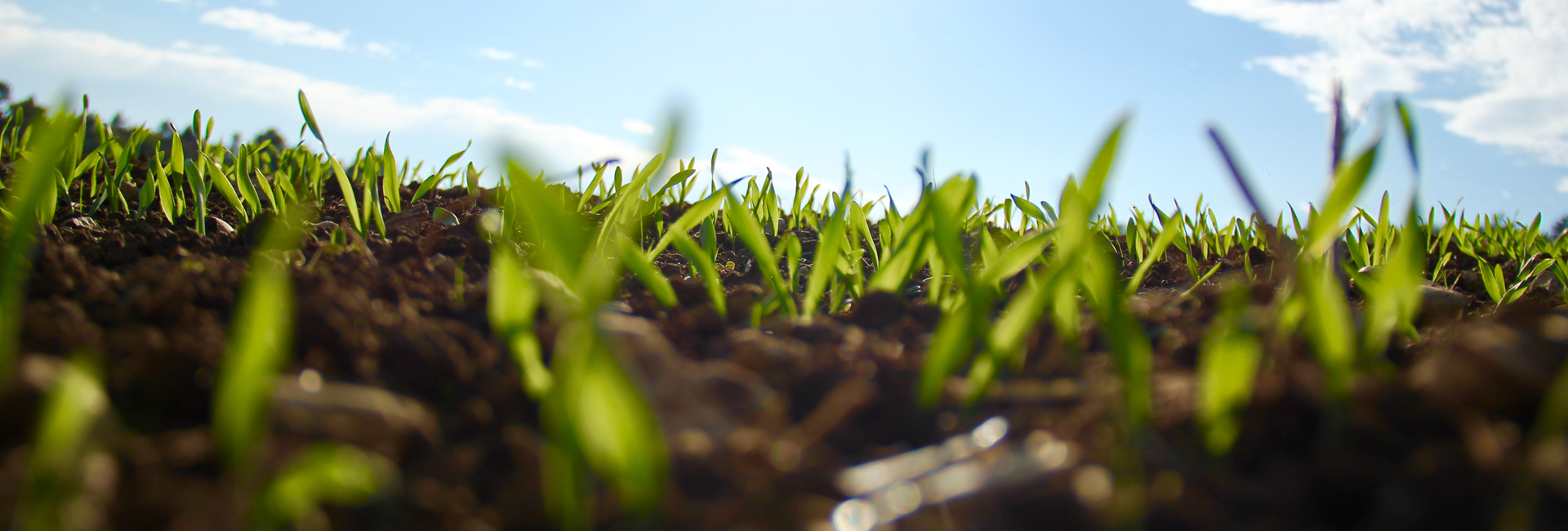
Nitrogen (N) is one of the main elements for plants, it is involved in growth by promoting cell division, as well as in the production of chlorophyll ^1,2. Since there is a deficiency of this element, the plant does not have good development and the synthesis of chlorophyll is affected, causing the leaves to turn yellow, which can seriously affect production. This element is only assimilable by plants when it is in inorganic form as nitrate (NO3-) or ammonium (NH4+) ².
The main source of Nitrogen is found in the atmosphere (78%)². However, plants are not able to use it, with the exception of legumes, through biological processes involving bacteria of the Rhizobium genus that colonize their roots².
Another important source of nitrogen is the organic matter present in the soil, 90-95% of which cannot be assimilated by plants due to the form it is in, so its availability depends entirely on the action of a group of highly specialized microorganisms such as nitrifying bacteria (Nitrosomonas, Nitrococcus, Nitrobacter, etc.), capable of transforming it from organic to inorganic form in a process called mineralization¹.
Agriculture being a practice carried out by man for more than 10 thousand years, overexploitation of the soil has considerably lowered the content of organic matter, coupled with that, the indiscriminate use of agrochemicals has considerably affected the microbiota present in the soil, so inorganic nitrogen (assimilable by plants) is at insufficient levels to achieve good productivity⁴.
In recent decades, to supplement the missing nitrogen, the use of chemical synthesis fertilizers has intensified due to their high concentrations of this element. The main chemical fertilizer used is Urea given its high concentration of N (46%). However, studies carried out show that more than 50% of this type of compounds are leached due to irrigation and rain, reaching aquifers, causing a serious pollution problem, since by increasing the content of inorganic nitrogen in the water, eutrophication occurs, generating ideal conditions for the growth of algae and aquatic plants, which absorb large amounts of oxygen, damaging the native fauna of rivers, lagoons, etc. In addition, consuming water with high nitrogen content can have serious health effects (stomach problems, liver damage and carcinogenic effects)^4,6.
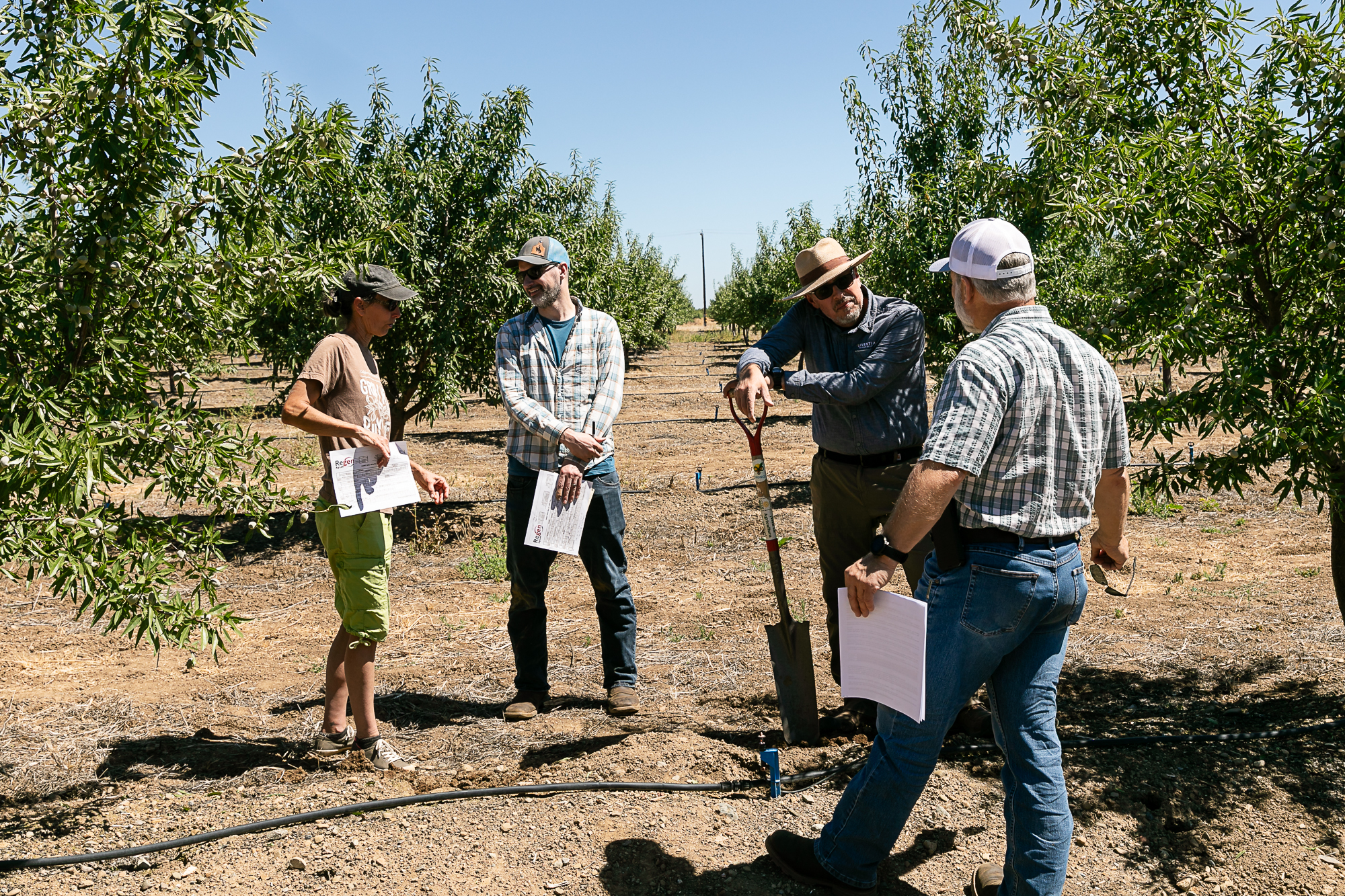
LIVENTIA has a wide portfolio of products with microorganisms highly specialized in the mineralization of nitrogen, so it is currently possible to use organic matter as fertilizer, which in addition to recomposing the levels of nutrients in the soil can provide the amounts of nitrogen necessary for the proper development of crops.
References
1. Han, S., et al., Nitrite-Oxidizing Bacteria Community Composition and Diversity Are Influenced by Fertilizer Regimes, but Are Independent of the Soil Aggregate in Acidic Subtropical Red Soil. Vol. 9. 2018. 885.
2. E Canfield, D., A. Glazer, and P. Falkowski, The Evolution and Future of Earth's Nitrogen Cycle. Vol. 330. 2010. 192-6.
3. Drevon, J.-J., et al., The Legume–Rhizobia Symbiosis. Vol. 10. 2015. 267-290.
4. Ballukraya, P.N., Over-exploitation and pollution of groundwater: A case study from Rasipuram Area, Tamil Nadu. Vol. 56. 2000. 139-150.
5. Barabasz, W., et al., Biological Effects of Mineral Nitrogen Fertilization on Soil Microorganisms. Vol. 11. 2002.
6. L Kostyukovskii, Y. and D. B Melamed, Carcinogenic N-Nitrosamines. Formation, Properties, and Analysis. Vol. 57. 2007. 350.