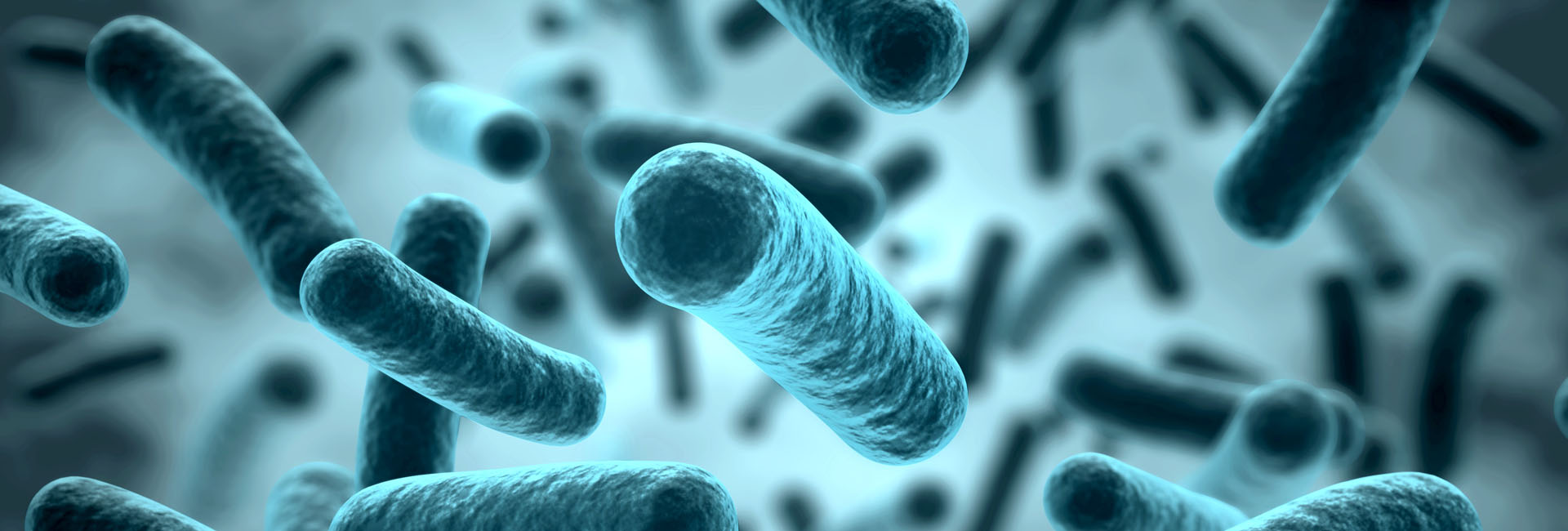
The official definition for probiotics differs between different authors and institutions ¹⁻⁴, but is always related to: live microorganisms that, under the right circumstances, can improve the health of plants, animals or humans. The market for probiotic products is continually growing, this demand and the subsequent competition between them leads to a constant growth in the amount of research that supports the effectiveness of many commercial products ⁵. Sornplang and collaborators ⁶ propose classifying probiotics according to their origin; that is, those from conventional sources such as fermented dairy products, breast milk and human excrement or those from non-conventional sources such as fermented non-dairy products or isolates from animal parts other than the digestive tract⁶. This definition covers most popular commercial probiotics; that is: those for human consumption.
As mentioned at the beginning, probiotics can also promote the health of plants and animals. In the case of plants, there is a wide variety of probiotics that are naturally present in agricultural products such as carrots, oranges, cabbages, cashews and blueberries, among others⁷.
The various benefits that microorganisms have in protecting and increasing the productivity of crops are well known and, although less mentioned, the presence of microorganisms also enriches the value of production. Fruits and vegetables are natural sources of different nutrients such as carbohydrates, proteins, minerals and vitamins; they are also foods with functional substances such as fiber and antioxidants, among others. These nutritional and functional benefits clearly increase the value of crops, both for the direct consumer and for different industrial applications.
Jiménez-Gómez and collaborators ⁸ presented an interesting review where they list different scientific works that prove an improvement, induced by microorganisms, in the nutritional or functional properties of various products. Some examples of this review are: increase in vitamin C in tomatoes by Pseudomonas sp., increase in the antioxidant activity of chili peppers by Rhizobium leguminosarum (PETP01) and improvements in the mineral content in strawberries by some species of the genus Bacillus.
Furthermore, some microorganisms that are naturally present in plants; In addition to providing benefits for them, they produce benefits in the new being that consumes them ⁹. A specific case is that of L. pentosus. This lactobacillus originally isolated from olives produces bacteriocins which are substances that help protect the plant from attacks by pathogenic microorganisms. When L. pentosus is consumed through olives, it provides benefits to the human digestive system ¹⁰. This is a good example to understand the far-reaching that the integral benefits of the microorganisms that inhabit plants can have; They not only improve crops at various levels, but also extend their benefits to human health.
References
1. Araya, M. et al. Health and Nutritional Properties of Probiotics in Food including Powder Milk with Live Lactic Acid Bacteria. Report of a Joint FAO/WHO Expert Consultation on Evaluation of Health and Nutritional Properties of Probiotics in Food Including Powder Milk with Live Lactic Acid Bacteria (2001). doi:10.1201/9781420009613.ch16
2. Rijkers, G. T. et al. Health benefits and health claims of probiotics: Bridging science and marketing. Br. J. Nutr. 106, 1291–1296 (2011).
3. Spence, C., Alff, E. & Shantharaj, D. in Bacteria in Agrobiology: Plant Probiotics (ed. Maheshwari, D. K.) 1–14 (Springer, 2012).
4.Wikimedia Foundation. Wikipedia The Free Encyclopedia. (2018). Available at: http://es.wikipedia.org/wiki/Wikipedia:Cover.
5. Di Cerbo, A. et al. The market of probiotics. Pak. J.Pharm. Sci. 28, 2199–2206 (2015).
6. Sornplang, P. & Piyadeatsoontorn, S. Probiotic isolates from unconventional sources: a review. J. Anim. Sci. Technol. 58, 26 (2016).
7. Galgano, F., Condelli, N., Caruso, M. C., Colangelo, M. A. & Favati, F. in Beneficial Microbes in Fermented and Functional Foods (eds. Ravishankar Rai, V. & Bai, J. A.) 600 (CRC Press, 2015). doi:9781482206623
8. Jiménez-Gómez, A., Celador-Lera, L., Fradejas-Bayón, M. & Rivas, R. Plant probiotic bacteria enhance the quality of fruit and horticultural crops. AIMS Microbiol. 3, 483–501 (2017).
9. Harris, L. J., Fleming, H. P. & Klaenhammer, T. R. Characterization of Two Nisin-Producing Lactococcus lactis subsp. lactis Strains Isolated from a Commercial Sauerkraut Fermentation. Appl. Environ. Microbiol. 58, 1477–1483 (1992).
10. Delgado, A., Brito, D., Peres, C., Noé-Arroyo, F. & Garrido-Fernández, A. Bacteriocin production by Lactobacillus pentosus B96 can be expressed as a function of temperature and NaCl concentration. Food Microbiol. 22, 521–528 (2005).